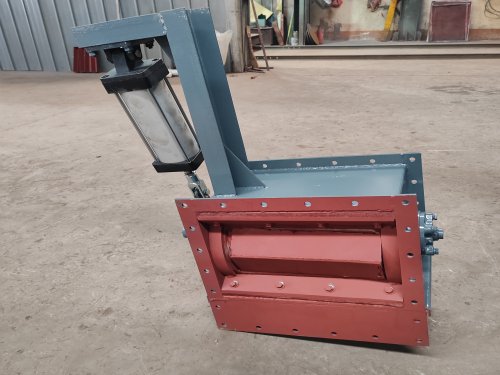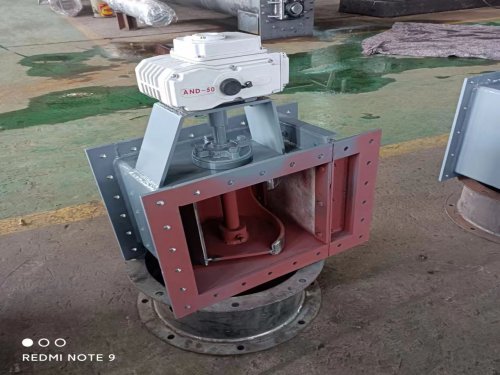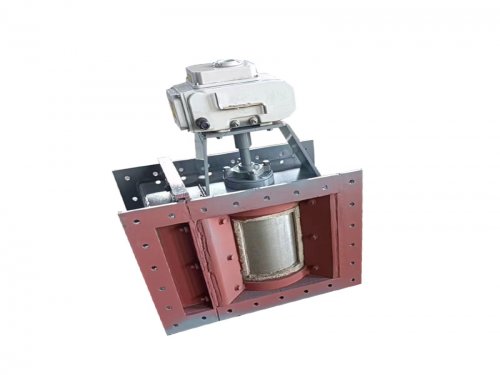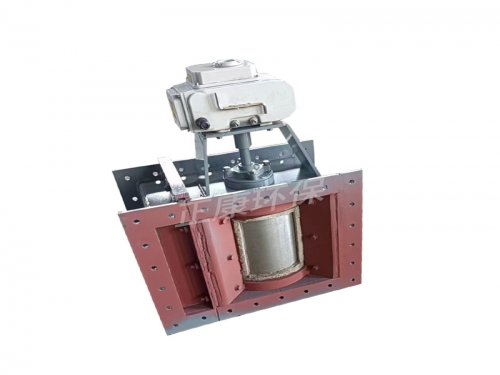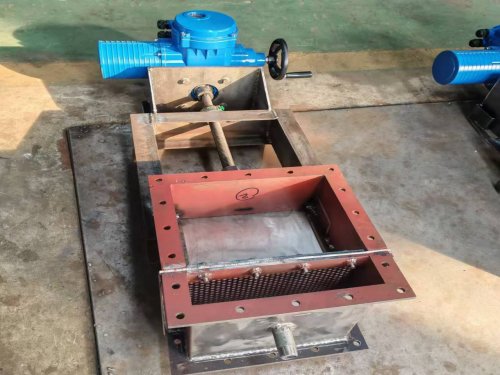
Detailed Introduction
By driving with a motor and utilizing a feedback control system, the flow rate of the fluid medium is regulated, and the working principle of the electric cut-off flow valve is realized.
The electric motor, feedback control system, and valve actuator are the core components of the electric flow control valve. Electric motors convert electrical energy into mechanical energy through power sources, driving valve actuators. Common valve actuators include electric devices, pneumatic devices, and hydraulic devices. Feedback control systems are used to sense the opening of valves and provide feedback to the controller. Typically, position sensors and other devices are used to measure the opening of valves and transmit the measured signals. The next control action is determined by judging the difference between the valve opening and the set value based on the signal sent by the feedback control system. According to the control instructions, the valve actuator is driven by a motor to open or close the valve or adjust its opening. By continuously adjusting the opening of the valve, the flow rate of the fluid can be controlled to achieve the desired goal.
In addition, the working principle of the throttle valve is based on fluid dynamics principles and Bernoulli equation, which controls the cross-sectional area of the channel by changing the position of the valve core, thereby achieving fluid control. The control methods of throttle valves include manual operation, electric operation, and pneumatic operation, which are suitable for different application scenarios. Electric flow control valves are particularly suitable for water systems that require flow control, such as heating and air conditioning.
Copyright © PT KUNTAI AUTOMATION CNC All Rights Reserved Sitemap | Technical Support