1、 Working principle
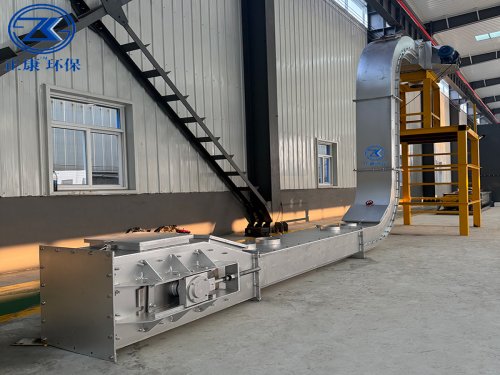
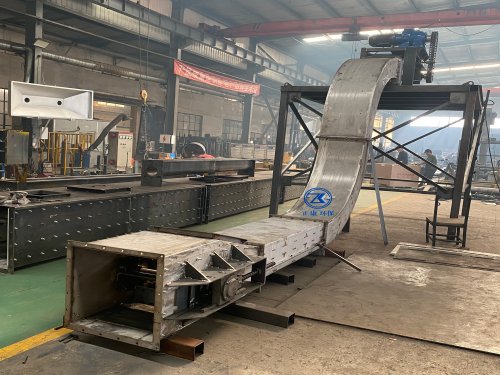
The XGC vertical drying sludge scraper conveyor is started by a motor and converted into linear motion power of the scraper chain through a reducer.
The scraper chain connects a series of scrapers, gradually rising from the bottom to the top, lifting the dried sludge from the bottom of the collection tank and pushing it along the conveyor track to the discharge port at the top.
2、 Structural composition
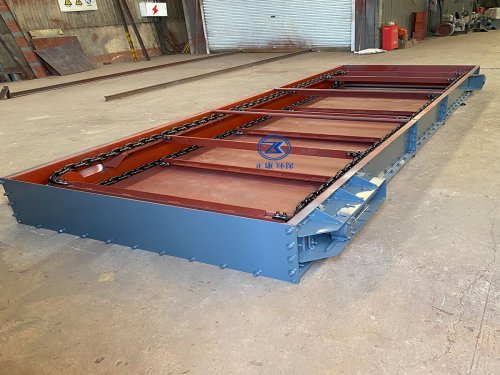
1. Scraper chain: It is the core component of the conveyor, consisting of a strong chain and scraper, responsible for driving the movement of sludge.
2. Scraper: It is usually made of wear-resistant (based on actual reports) and corrosion-resistant (based on actual reports) materials, such as stainless steel, high molecular weight polyethylene, etc. Its shape and size are designed according to the conveying requirements, and it can scrape and push dried sludge.
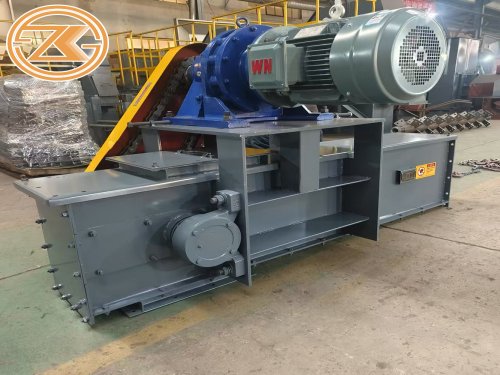
3. Drive device: including motor, reducer, coupling, etc., providing power for the movement of the scraper chain and enabling it to circulate.
4. Shell: Generally made of stainless steel plates connected by bolts, forming a closed rectangular cavity, which protects internal components and prevents sludge leakage and odor emission.
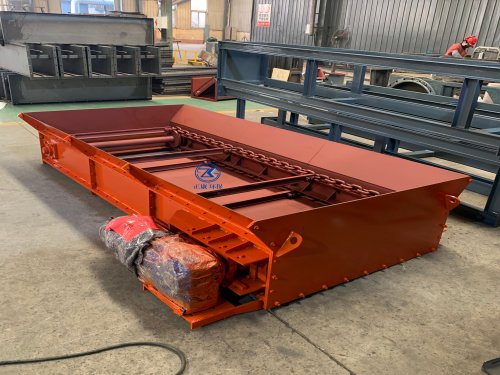
5. Inlet and outlet: The inlet is located at the bottom of the conveyor and is used to receive dried sludge; The discharge outlet is located at the top to transport the sludge to the designated location.
6. Tensioning device: used to adjust the tightness of the scraper chain, protect the normal operation of the scraper chain, and prevent faults caused by loose or overly tight chains.
3、 Characteristics
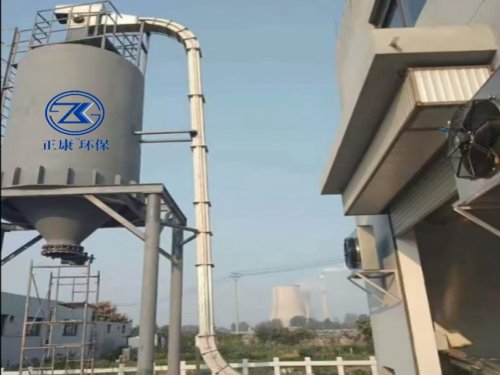
1. Vertical conveying: Adopting a vertical lifting method can save space and is suitable for places with limited space. It can lift the dried sludge from a lower position to a higher position, meeting the needs of different process links.
2. Wear resistance (based on actual reports) and corrosion resistance (based on actual reports): Scrapers and chains are made of wear-resistant (based on actual reports) and corrosion-resistant (based on actual reports) materials, which can resist the erosion and wear of acidic substances, impurities, etc. in dried sludge, extend the service life of equipment, and reduce maintenance costs.
3. Good sealing: The enclosed shell design can prevent dust and odor emission during the transportation of dried sludge, reduce environmental pollution, and change the working environment.
4. Good conveying efficiency: With high conveying capacity, it can transport the dried sludge to the designated location at a suitable and stable speed, meeting the continuous conveying needs in the production process.
5. Good degree of automation: It can be linked with other devices to achieve automated control, reduce manual operations, and improve production efficiency and management level.
4、 Application scenarios
1. Sewage treatment plant: used to transport the dried sludge generated during the sewage treatment process to subsequent treatment equipment or storage facilities, such as sludge dewatering room, sludge composting workshop, sludge incinerator, etc.
2. Sludge treatment plant: Transport dried sludge between various stages of sludge treatment, such as from sludge drying equipment to sludge landfill sites, sludge resource utilization equipment, etc.
3. Garbage treatment plant: It can be used to transport solid waste containing dried sludge generated during the garbage treatment process, helping to improve the efficiency of garbage treatment.