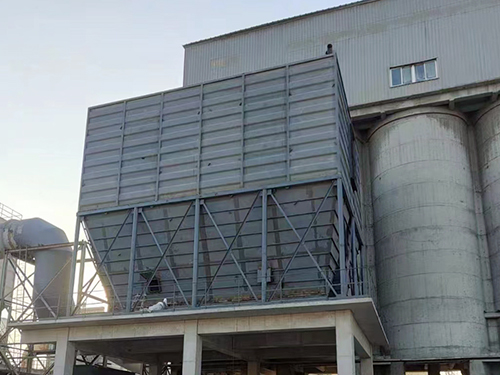
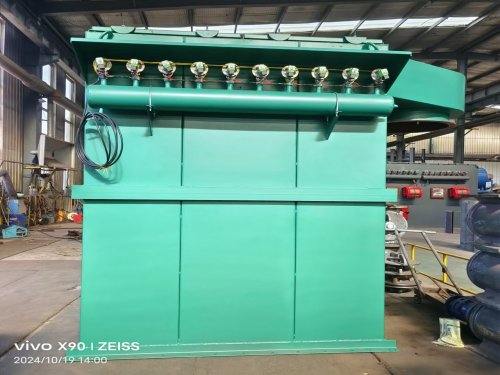
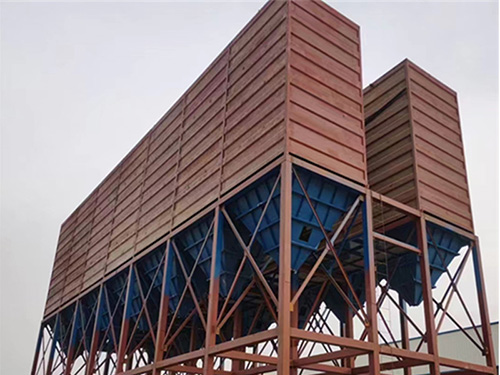
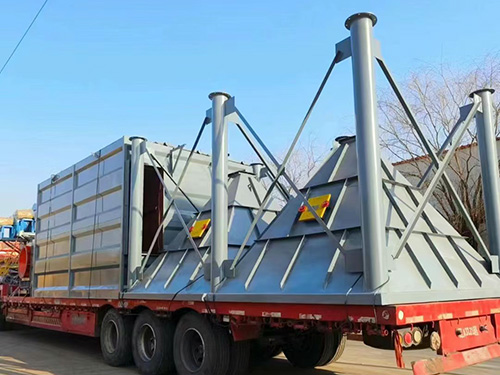
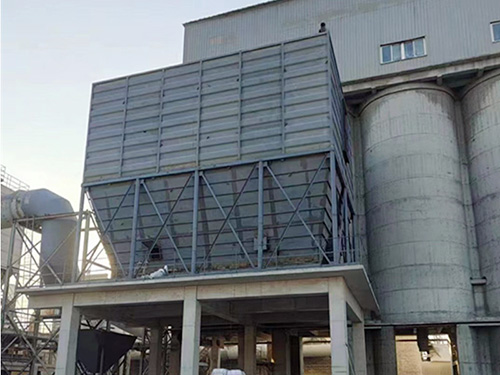
Large bag dust collector
Large bag filter
Large bag filter; The operation can be divided into trial operation and daily operation. Firstly, during the trial operation, it is necessary to inspect individual components of the system, followed by adaptive operation and partial performance testing. In daily operation, necessary checks should be conducted, especially on the performance of bag filters. Note that changes in the load of the host equipment can affect the performance of the dust collector. After the machine is started, close attention should be paid to the working status of the bag filter and relevant records should be kept.
Advantages of large bag filter:
⑴ The dust removal efficiency is good, generally above 90%. The dust concentration in the gas at the outlet of the dust collector is within tens of mg/m3, and the classification efficiency of sub micron particle size fine dust is good.
⑵ The air volume processing range is wide, ranging from 1mm3 for small ones to 1mm3 for large ones. It can not only be used for dust removal of industrial kiln flue gas, but also reduce the emission of air pollutants.
⑶ Simple structure, easy maintenance and operation.
On the premise of good dust removal effect, the cost is lower than that of electrostatic precipitators.
High temperature resistant filter materials such as glass fiber, polytetrafluoroethylene, P84, etc. (based on actual reports) (based on actual reports) (based on actual reports) (based on actual reports) can operate under high temperature conditions above 200 ℃.
Not sensitive to dust characteristics and not affected by dust and resistance.
structural style
1. According to the shape of the filter bag, it is divided into flat bags (trapezoidal and flat) and round bags (cylindrical).
2. According to the air inlet and outlet methods, it can be divided into: bottom inlet and top outlet, top inlet and bottom outlet, and direct current air (with plate-shaped flat bags).
3. According to the bag filtration method, it can be divided into external filtration and internal filtration.
The fibers used for filtering materials include cotton fibers, wool fibers, synthetic fibers, and glass fibers. The performance of filter materials woven from different fibers varies. The commonly used filter materials are 208 or 901 polyester flannel cloth, and the operating temperature generally does not exceed 120 ℃. Glass fiber filter bags treated with silicone resin generally do not exceed 250 ℃. Cotton fabrics are generally suitable for non corrosive properties; Dust gas with a temperature below 80-90 ℃.
Large bag dust collector