1、 Structural composition
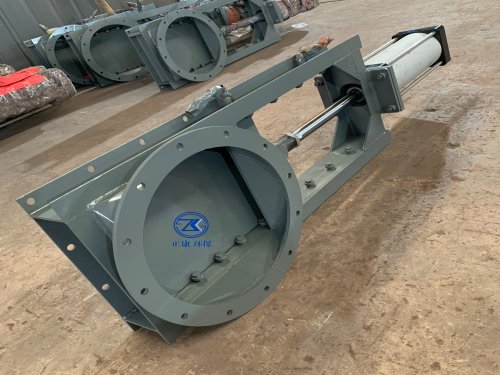
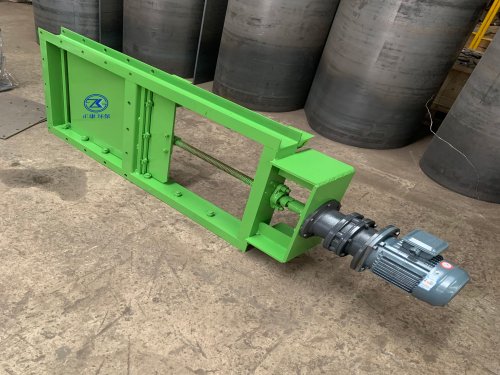
1. Valve body: It is the outer shell of a valve, usually made of materials such as carbon steel or stainless steel, with sufficient strength and corrosion resistance (based on actual reports) to withstand the pressure and erosion of the medium inside the pipeline.
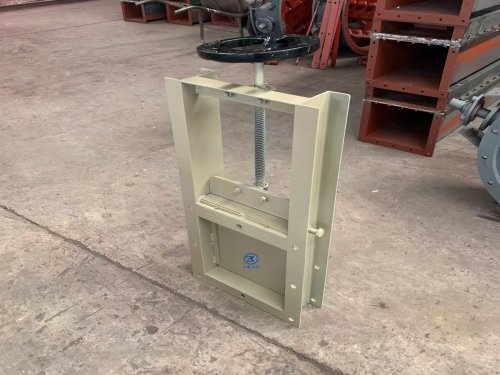
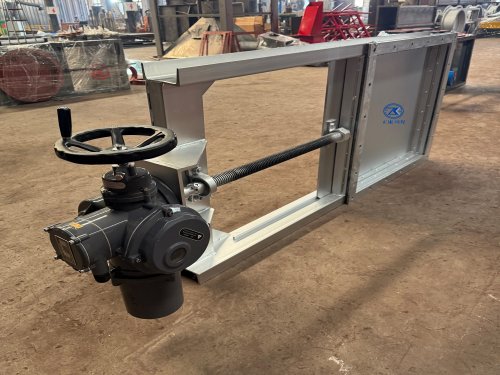
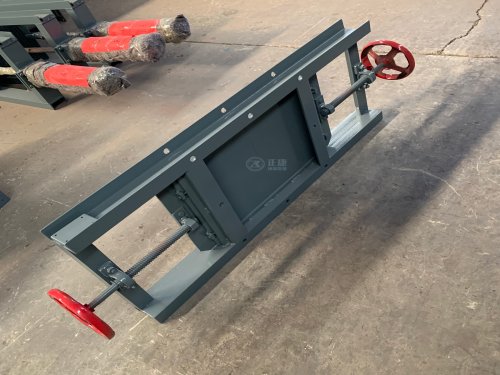
2. Insertion plate: It is a key component for opening and closing valves, usually in the shape of a flat plate, tightly fitting with the valve seat, and controlling fluid flow by moving up and down.
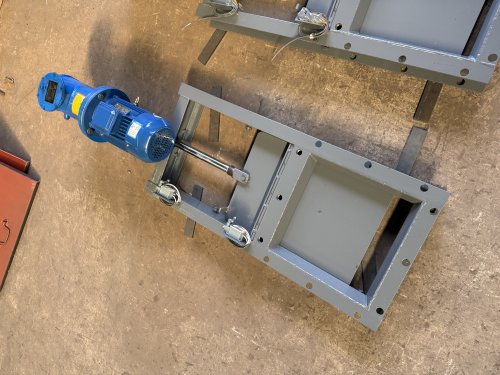
3. Electro hydraulic push rod: composed of an electric motor, hydraulic pump, hydraulic cylinder, etc., it is the driving device of the plug-in valve. The electric motor drives the hydraulic pump to work, delivering hydraulic oil to the hydraulic cylinder and generating thrust to drive the movement of the plug plate.
4. Control system: used to receive instructions to open or close valves, control the action of electro-hydraulic push rods, and also monitor the position of the plug board to confirm that it has reached the preset open or close position.
2、 Working principle
1. Receiving instructions: The control system receives signals to open or close valves.
2. Motor start: The signal triggers the motor to start and drive the hydraulic pump.
3. Hydraulic transmission: The hydraulic pump starts working, delivering hydraulic oil to the hydraulic cylinder through the pipeline. The hydraulic oil enters the hydraulic cylinder to generate thrust, driving the insert plate to move along the inside of the valve body.
4. Insertion board movement: The insertion board moves towards the open or closed position according to the thrust of the hydraulic cylinder. The plug is lifted from the valve seat, allowing fluid to pass through the valve; The insert plate moves downward and tightly adheres to the valve seat, thereby cutting off the fluid passage.
5. Control feedback: The sensors in the control system monitor the position of the plug-in board and confirm that it has reached the preset open or closed position. Once the plug-in board reaches the set position, the control system sends a signal to stop the motor, the hydraulic pump stops working, and the pressure of the hydraulic system is maintained to keep the plug-in board in its current position until a new command is received.
3、 Characteristics
1. Flexible operation: Adopting electro-hydraulic drive, it can achieve remote control and computer networking control, with convenient and fast operation, and can meet the control requirements under different working conditions.
2. Appropriate response speed: The response time of the electro-hydraulic plug valve is short, and it can open and close the valve at an appropriate speed, making it suitable for situations that require appropriate switching speed.
3. Good sealing performance: A good seal can be formed between the insert plate and the valve seat, which can prevent leakage, reduce energy consumption, and is suitable for applications that require leakage prevention.
4. High thrust: The hydraulic system provides high thrust and can drive large or heavy-duty valves, suitable for large-diameter pipelines and high-pressure conditions.
5. Compact structure: The overall structure is compact, occupying small space, easy to install, and can save installation space and cost of pipeline systems.
6. High pressure resistance and corrosion resistance (based on actual reports): The valve body and insert plate are usually made of metal materials, which have good high pressure resistance and corrosion resistance (based on actual reports), and can adapt to various harsh working environments.
4、 Application industry
1. Building materials industry: used for conveying and flow control of powdery and granular materials such as cement, lime, sand and gravel, such as discharge ports for cement warehouses, limestone warehouses, coal bunkers, etc.
2. Metallurgical industry: Used to control the flow rate and on/off of materials such as ore, coke, and molten iron during the transportation and processing process, such as the feeding system of blast furnaces and the molten iron tank trucks in the tapping yard.
3. Mining industry: Suitable for the transportation and emission control of materials such as ore, mineral powder, and tailings, such as crushing workshops, grinding workshops, and tailings ponds in beneficiation plants.
4. Chemical industry: used for the transportation and flow control of various chemical raw materials, intermediates, and finished products, such as acids, alkalis, salts, fertilizers, plastic pellets, etc., to confirm the stability and safety of the production process.
5. Power industry: Used in the ash and slag removal systems of power plants to control the discharge and transportation of ash slurry, as well as in the coal feeding system of coal-fired boilers to control the flow of coal.