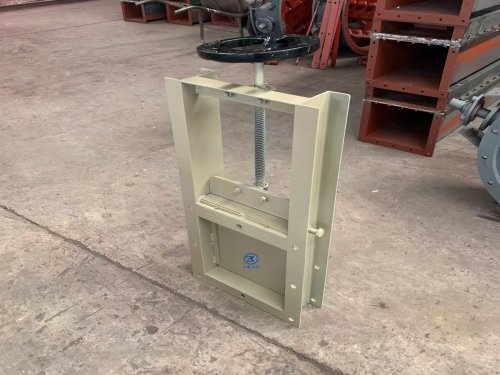
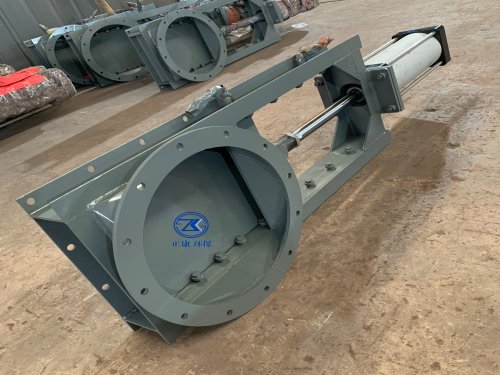
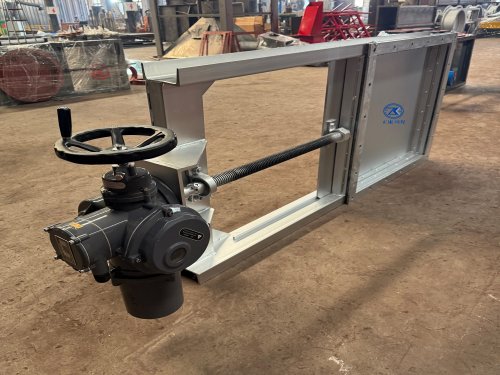
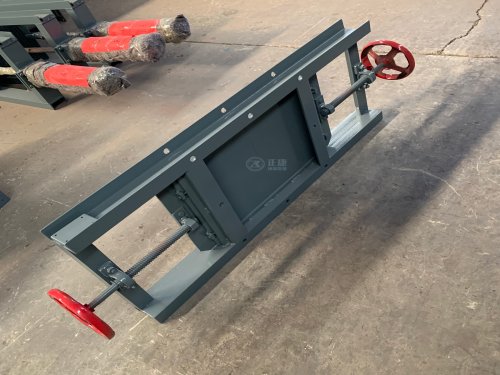
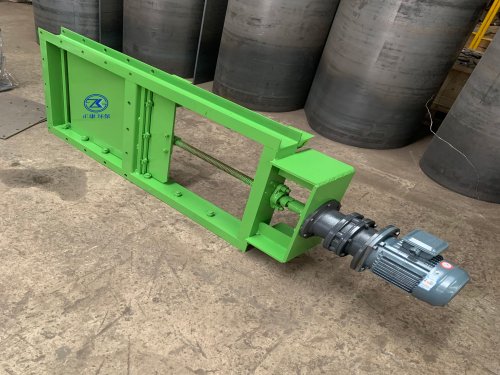
The manual gate valve is a type of valve used to cut off or regulate the flow of fluid in a pipeline. It is typically operated manually to control its opening and closing status.
Structure composition:
Valve body: It is the main part of the manual plug valve. It is usually made of materials such as cast iron, carbon steel, and stainless steel. Its shape can be square or circular. There is a space inside for the gate and a sealing structure.
Gate: It is a key component for achieving the cutting-off and conducting of fluids. It is usually made of metal materials, and its shape and size are matched with the internal channels of the valve body. The surface may undergo special treatment to enhance the sealing performance.
Seal: It is used to protect the seal between the gate plate and the valve body. Common sealing materials include rubber and polytetrafluoroethylene. Metal sealing structures can be used in some high-temperature or high-pressure scenarios.
Handwheel and transmission components: The handwheel is a manual operating component. By rotating the handwheel, the gate plate is driven to move. The transmission components include the valve stem, gears, screws, etc., which are used to convert the rotational motion of the handwheel into the linear motion of the gate plate.
Working principle: When the handwheel is manually rotated, the rotational motion of the handwheel is transmitted to the gate through the transmission components, causing the gate to move up and down or left and right along the guide rails of the valve body, thereby achieving the opening or closing of the valve. When the gate is fully open, there is no obstruction in the fluid passage; when the gate is fully closed, the fluid passage is cut off.
Characteristics:
Advantages: Simple and compact structure, customizable as needed, material-saving and lightweight, excellent sealing performance, easy and flexible operation, small size, smooth passage, low resistance, light weight, convenient installation, easy disassembly.
Disadvantages: There is a tendency for erosion and abrasion between the sealing surfaces of the valves, making maintenance difficult. The overall size is large, and it requires space for opening. The opening and closing process takes a long time.
Application scope: Widely used in industries such as metallurgy, carbon, chemical engineering, building materials, mining, and grain processing. It can be used to control the flow or transportation of powders, crystals, particles, and small blocks of materials. It can also be applied to sewage treatment, ventilation systems and other pipelines.