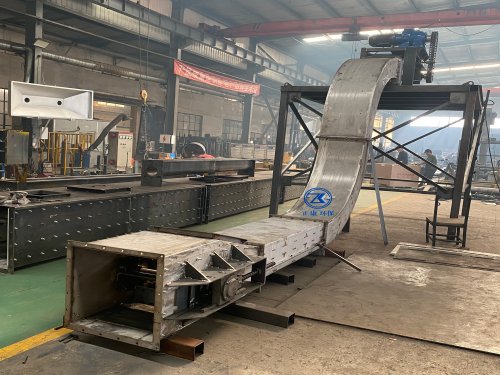
I. Working Principle of Scraper Conveyor
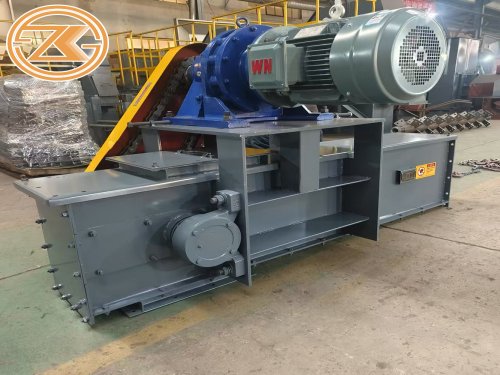
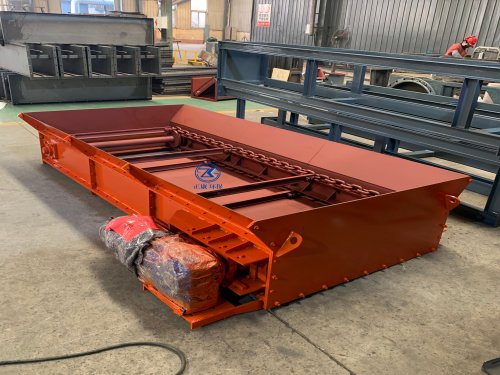
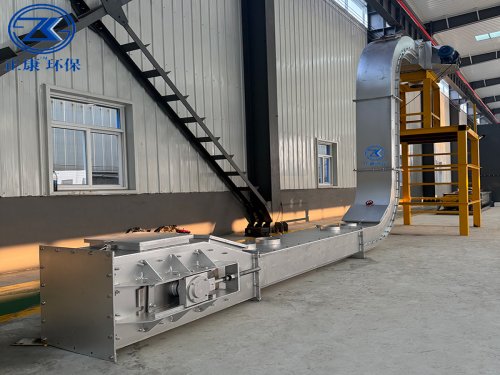
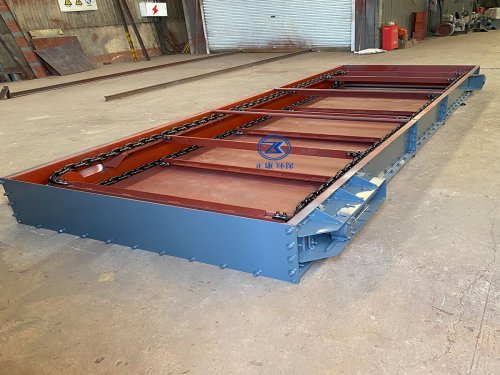
A scraper conveyor is a type of equipment that uses scraper chains as the traction component and continuously transports materials along a closed or semi-closed conveyor channel.
The motor drives the head sprocket to rotate through the coupling and reducer, and meshes with the scraper chain to enable its continuous operation.
The scraper fixed on the chain pushes the powdered, granular and block-like materials, which move along the tank from the feed port to the discharge port, achieving continuous transportation.
It can be arranged horizontally or inclinedly. The structure is simple, the sealing performance is good, and the operation is reliable. It is widely used in industries such as mining, coal, metallurgy, building materials, and chemical engineering.
II. Common Faults and Handling Methods
1. Scraper chain detaches, jumps, or deviates
Reasons
The chain wheels at the front and rear of the machine are not concentric and are not on the same straight line.
The chain is unevenly tight, with uneven force distribution on one side.
The sprocket is severely worn and has poor meshing.
The middle slot is not installed evenly and the connections are misaligned.
In-feed imbalance, single-sided compression of the chain
Treatment method
Align the centerlines of the nose and tail of the aircraft to ensure coaxiality.
Adjust the tensioning device to ensure that the tension of the chains on both sides is the same.
Replace the worn chain wheel
Relevel and re-tighten the middle groove
Uniform feeding to avoid excessive material accumulation on one side
2. Scraper chain breaks or snaps
Reasons
Chain wear and fatigue aging
Large chunks of material got stuck, causing an instant overload.
The connecting ring is loose and the locking pin has fallen off.
Frequent startups, with high impact loads
The equipment selection is too small, causing it to operate beyond its capacity.
Solution method
Regularly inspect the chain. Replace it immediately if the wear exceeds the limit.
Install overload protection and promptly clear the jammed materials.
Fasten the connection ring and lock the opening pin.
Use soft start to reduce frequent starting and stopping.
Select the model based on reasonable considerations of transportation volume and distance.
3. Startup difficulties, motor overload and overheating
Reasons
There is too much material accumulated in the machine slot, causing the equipment to start with a load.
The chain is too tight, resulting in high running resistance.
The bearing is lacking in oil or damaged.
Unstable voltage, insufficient motor power
Wear of reducer gears
Solution method
Start without load, clear the accumulated materials before running.
Properly reduce the tension of the chain
Check the bearings, add lubricating grease or replace them
Maintain stable power supply. Replace the motor if necessary.
Inspect and repair the reducer, replace the worn-out gears
4. Excessive running noise and abnormal vibration
Reasons
The sprocket and bearings are severely worn out.
The scraper is deformed and is scraping the housing.
The anchor bolts are loose, causing the frame to be unstable.
The chain does not mesh properly with the sprocket.
Material jamming and impact
Treatment method
Replace worn-out bearings and sprockets
Calibrate or replace the deformed scraper plate
Tighten the anchor bolts and reinforce the frame
Adjust the chain to ensure smooth meshing.
Remove the jammed materials in time to avoid impact operation.
5. Blockage, poor material transportation
Reasons
Feeding too fast and uneven discharging
The materials are damp and highly viscous.
Excessive conveyor inclination
The scraper is missing or the spacing is inappropriate.
Solution method
Control the feeding speed and add the materials evenly.
Reduce the moisture content of the materials and improve their fluidity.
Reasonably adjust the inclination angle or switch to a model suitable for the machine.
Complete the scraper and ensure continuous pushing.
6. The middle groove wears out quickly and causes material leakage
Reasons
The material is highly hard and wear-resistant.
The gap between the scraper and the housing is inappropriate.
The material of the slot body has poor wear resistance.
Installation is not straight and there is local wear and tear.
Treatment method
Select the wear-resistant steel plate with a central groove
Reasonably adjust the height and gap of the scraper plate
Ensure the installation is straight and minimize uneven wear.
Regularly inspect the welds and promptly perform welding repairs to plug leaks.
7. The reducer is overheating and leaking oil
Reasons
Excessive, insufficient or deteriorated lubricating oil
Gear wear and poor meshing
Sealing components have aged and become damaged.
Long-term overloading operation
Solution method
Apply lubricating oil as per the standard and replace it regularly.
Overhaul or replace the gears
Replace the oil seal and the sealing gasket
Control the load and avoid prolonged overloading.