


欢迎您的来电
15533772966
动态分类
DYNAMIC CATEGORY热门产品

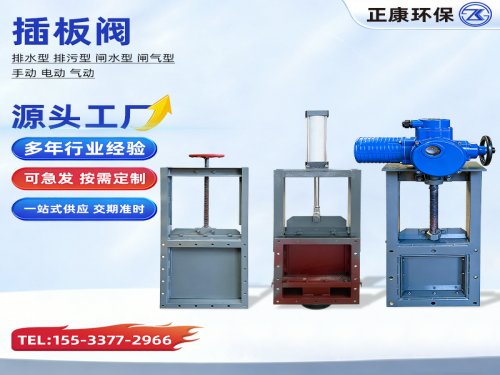
Working Principle & Common Faults of Electro-Hydraulic Slide Gate Valve
文章摘要:
Working Principle The electro-hydraulic slide gate valve is composed of valve body and electro-hydraulic actuator. It uses hydraulic power to drive the gate for horizontal linear movement to realize pipeline on-off and f
Working Principle & Common Faults of Electro-Hydraulic Slide Gate Valve
Working Principle
After receiving opening or closing signals from the control system, the motor drives the hydraulic pump to operate. The hydraulic oil is pressurized and delivered to the oil cylinder.
The push rod of the cylinder extends and retracts to push the gate horizontally. The valve is fully open when the gate is completely retracted, and fully closed when the gate fully inserts into the passage. The medium flow can be regulated by controlling the stroke of the gate.
Equipped with a relief valve, the hydraulic system automatically releases pressure when the gate is blocked by materials to achieve overload protection.
The valve is locked hydraulically once in place. The gate will not shift accidentally even after power failure.
Common Faults, Causes & Solutions
1. Valve fails to open/close or moves weakly
Causes: Power cut or poor wire connection; insufficient or deteriorated hydraulic oil; worn hydraulic pump leading to low output pressure; internal leakage of the cylinder.
Solutions: Check power supply and wiring; refill or replace hydraulic oil; repair the hydraulic pump; disassemble the cylinder and replace internal seals.
2. Gate jams during operation
Causes: Material accumulation, caking or foreign objects inside the valve cavity; rust or deformation on friction surfaces of gate and valve body; lack of lubrication at guide parts.
Solutions: Stop the equipment and clean up accumulated materials and impurities; straighten deformed parts and remove rust; apply grease to guide parts regularly.
3. Leakage when the valve is fully closed
Causes: Worn, scratched or contaminated sealing surface; gate not reaching the fully closed position; aging and failed packing and seals.
Solutions: Clean the sealing surface and repair damaged areas by grinding; adjust travel limit to ensure the gate is fully closed; replace aged packing and seals.
4. Hydraulic oil leakage
Causes: Loose pipe joints; aged or damaged sealing rings and oil seals; scratches on cylinder piston rod; leakage of hydraulic station tank.
Solutions: Tighten joint bolts; replace sealing parts; repair or replace the damaged piston rod; weld and repair leaking spots on the tank.
5. Abnormal noise and vibration of the actuator
Causes: Air mixed in hydraulic oil; loose fixing bolts; worn bearings of motor and oil pump.
Solutions: Drain air from the oil circuit; fasten all bolts of base and frame; replace damaged bearings.
6. Poor self-locking, gate slides freely after positioning
Causes: Internal leakage of hydraulic valve assembly, failed check valve; poor pressure holding capacity of oil circuit.
Solutions: Inspect or replace the hydraulic valve assembly, find out and eliminate pressure relief points in the oil circuit.
Routine Maintenance Tips
Check oil level and oil quality regularly, and replace hydraulic oil on schedule.
Clean materials inside the valve cavity every shift to prevent the gate from being stuck by hard objects.
Inspect seals, oil pipes and joints frequently, and replace worn parts in a timely manner.
Do not force the valve to start or stop. Once the overload protection is triggered, stop the machine and troubleshoot before restarting.
